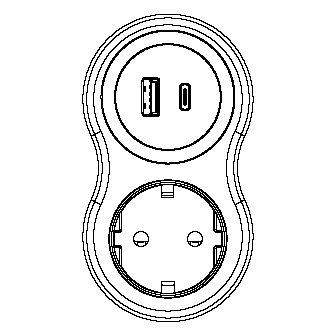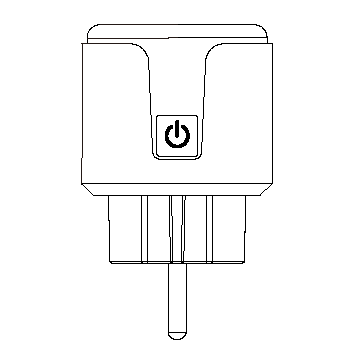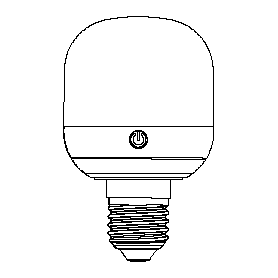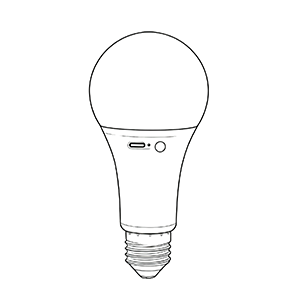
There are many types of touch switches, and the most common ones now are as follows:
1. Mechanical tactile switch: It is still a traditional button switch, but the improved version has a shorter stroke and requires a smaller pressing distance.
2. Dual plate conductive switch: The front end consists of two electrode plates, with an amplification circuit inside. It amplifies the current formed in the two electrode plates when touched by a finger and drives the rear circuit to achieve switching or control functions.
3. Single chip trigger switch: The front end has only one electrode, and when touched by hand, the human body receives electromagnetic waves absorbed from space as an antenna and sends them into the circuit through the electrode. The circuit is a high gain amplification circuit that can amplify small signals and use this signal to trigger the rear circuit to achieve switching or control functions. Due to the need to amplify very small signals and require high input impedance, this type of circuit has weak anti-static ability and is easily damaged by static electricity.
4. Resistive film or conductive film pressure sensing switch: This type of switch is implemented by a three-layer structure, with a support grid sandwiched between the upper and lower conductive plates. Computer keyboards generally have this structure, which is actually still similar to touch switches, but people can hardly feel the stroke.
5. Capacitive touch switch: A capacitor formed by a specially designed PCB (printed circuit board) is used as the triggering condition for whether to touch or not. Generally, a hard FR-4 substrate is used. The capacitance base of the capacitive touch board made of this material is small, and the capacitance changes significantly after touch, resulting in good effect. By using an SLOPE circuit or frequency voltage conversion circuit, the capacitance change can be identified and finally determined whether there is finger touch. This is the most advanced one, which is used on IPOD. But it also poses a risk of electrostatic breakdown due to its high impedance at the front end.

Add WeChat

Official Account