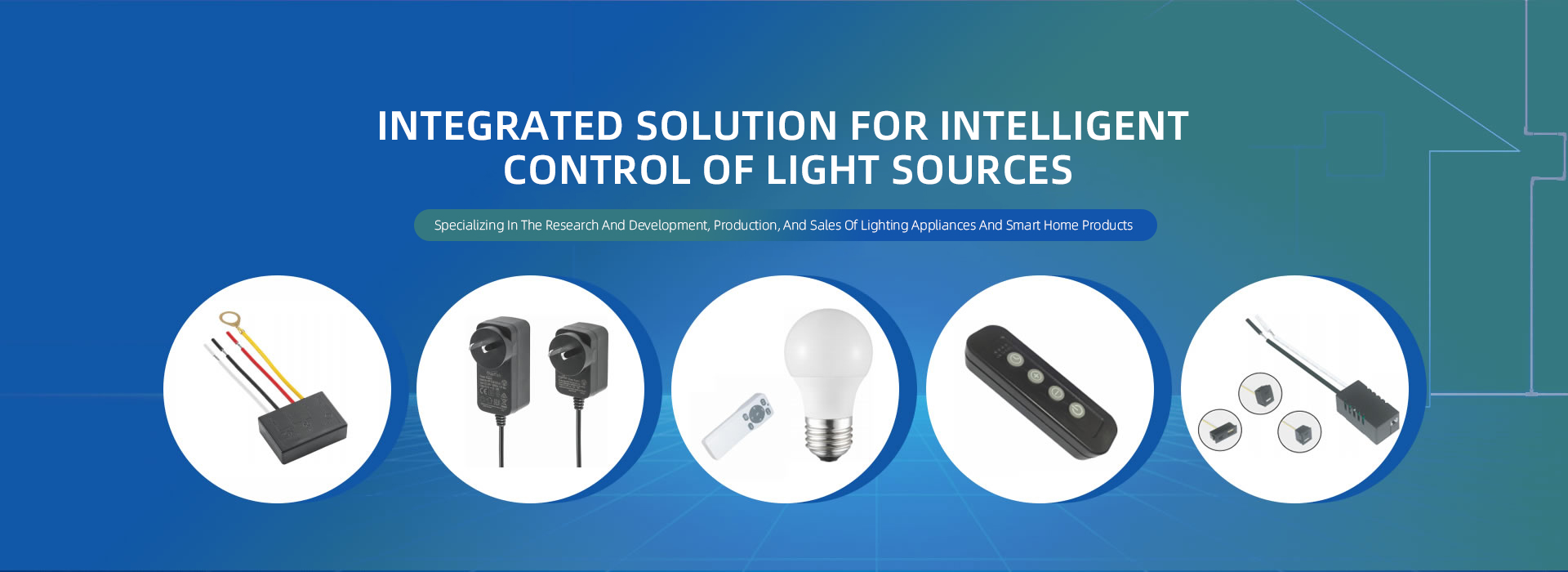
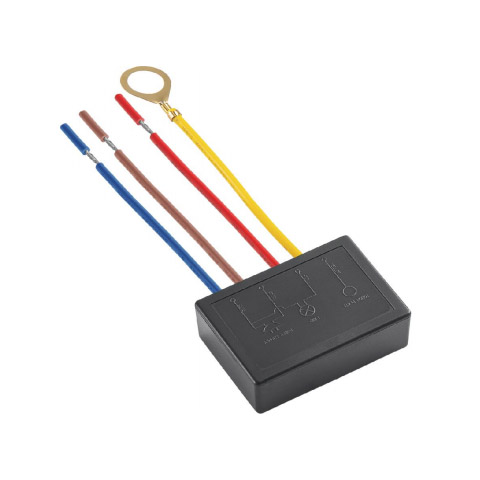
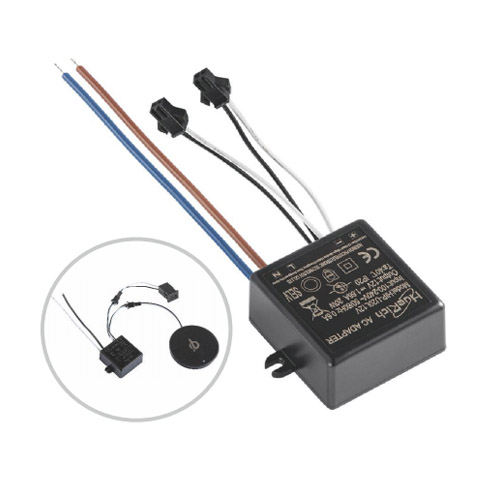
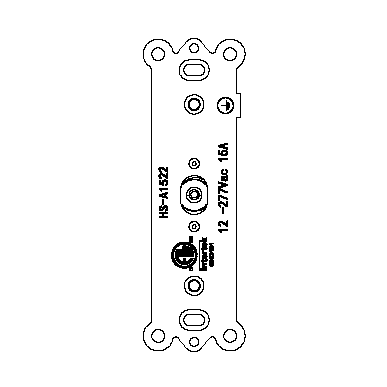
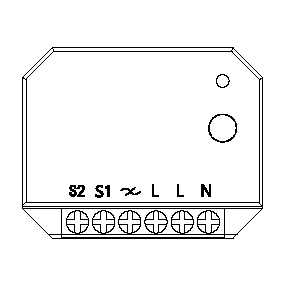
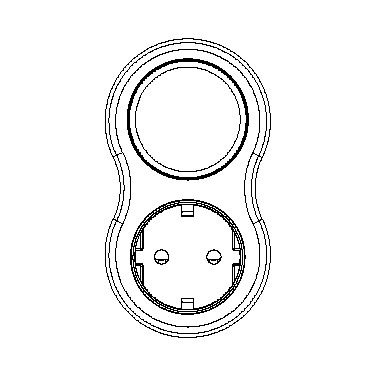
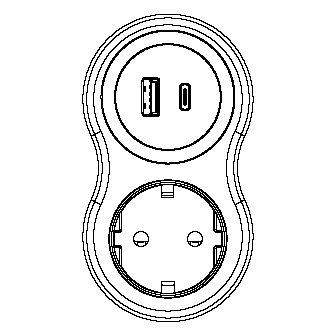
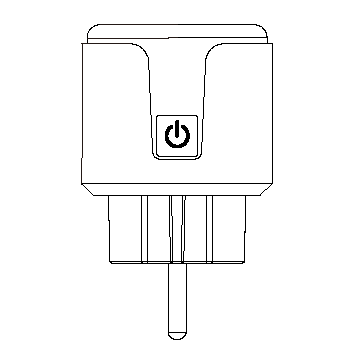
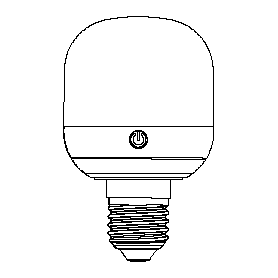
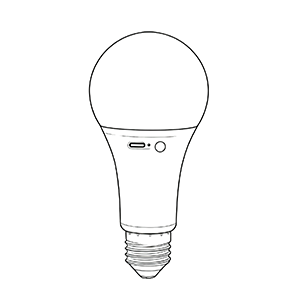
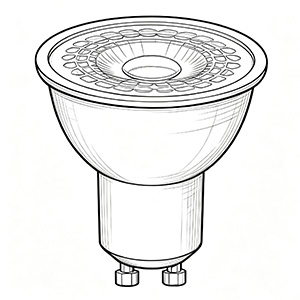
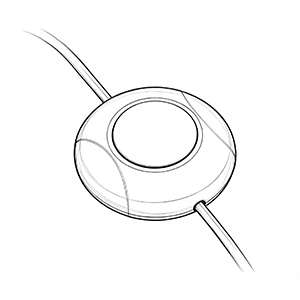
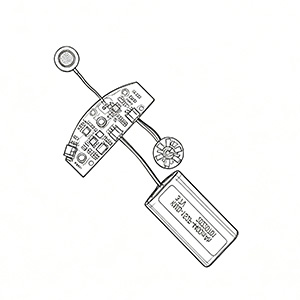
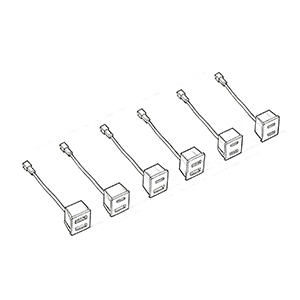
There are many types of touch switches, and the most common ones now are as follows: 1. Mechanical touch switch: It is still a traditional button switch, but the improved version has a shorter stroke and requires a smaller pressing distance. 2. Dual plate conductive switch: The front end consists of two electrode plates, with an amplification circuit inside. It amplifies the current formed in the two electrode plates when touched by a finger and drives the rear circuit to achieve switching or control functions. 3. Single chip trigger switch: The front end has only one electrode, and when touched by hand, the human body acts as an antenna to receive electromagnetic waves absorbed from space and send them into the circuit through the electrode. The circuit is a high gain amplification circuit that can amplify very small signals
1、 It doesn't matter if you can't distinguish the quality of the product by consulting its certificate, there are countries and; International certification and testing agencies help you distinguish the quality of products, which is the simplest method. Products without certification generally do not have quality assurance, so I suggest that after choosing a product, you can first consult to see if the product has passed certification testing? What certification tests have been passed? 2、 When purchasing, pay attention to selecting the applicable functions and styles. When choosing a touch switch, you should also pay attention to the functions of the touch switch. According to the functions, touch switches are divided into dimming, delay, remote control, duplex, etc. According to the standard style of the cassette corresponding to the switch, it can be further classified
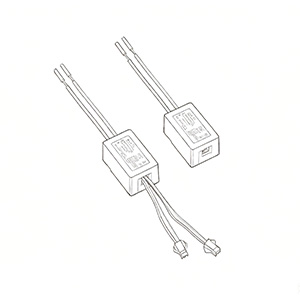
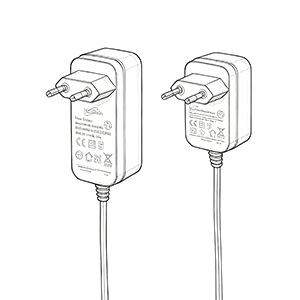
Power adapters are ubiquitous in our daily lives, and electronic products are inevitably damaged during use. The same goes for power adapters. What are the common manifestations of power adapter damage? How to determine if the adapter is broken? And if it's not the original, what's the reason why the power adapter keeps burning out? This is usually caused by excessive load, or the selected power adapter does not match the electrical performance of the power supply product. So let's briefly describe the common phenomenon of a broken power adapter. The high output voltage is generally caused by the voltage stabilization sampling and control circuit. In DC output, sampling resistor,